Kindergarten
Writing Paper Landscape
Amazon SEO & Algorithm Strategy
Copywriting, Ad Strategy & Spend Management
Competitor Analysis
A/B Testing, Graphic Design (Cover & Interior)
Pricing Strategy
Review Acquisition Strategy
CMYK Color Compliance
Copyright & Legal Frameworks
Product Development
E-Commerce Operations
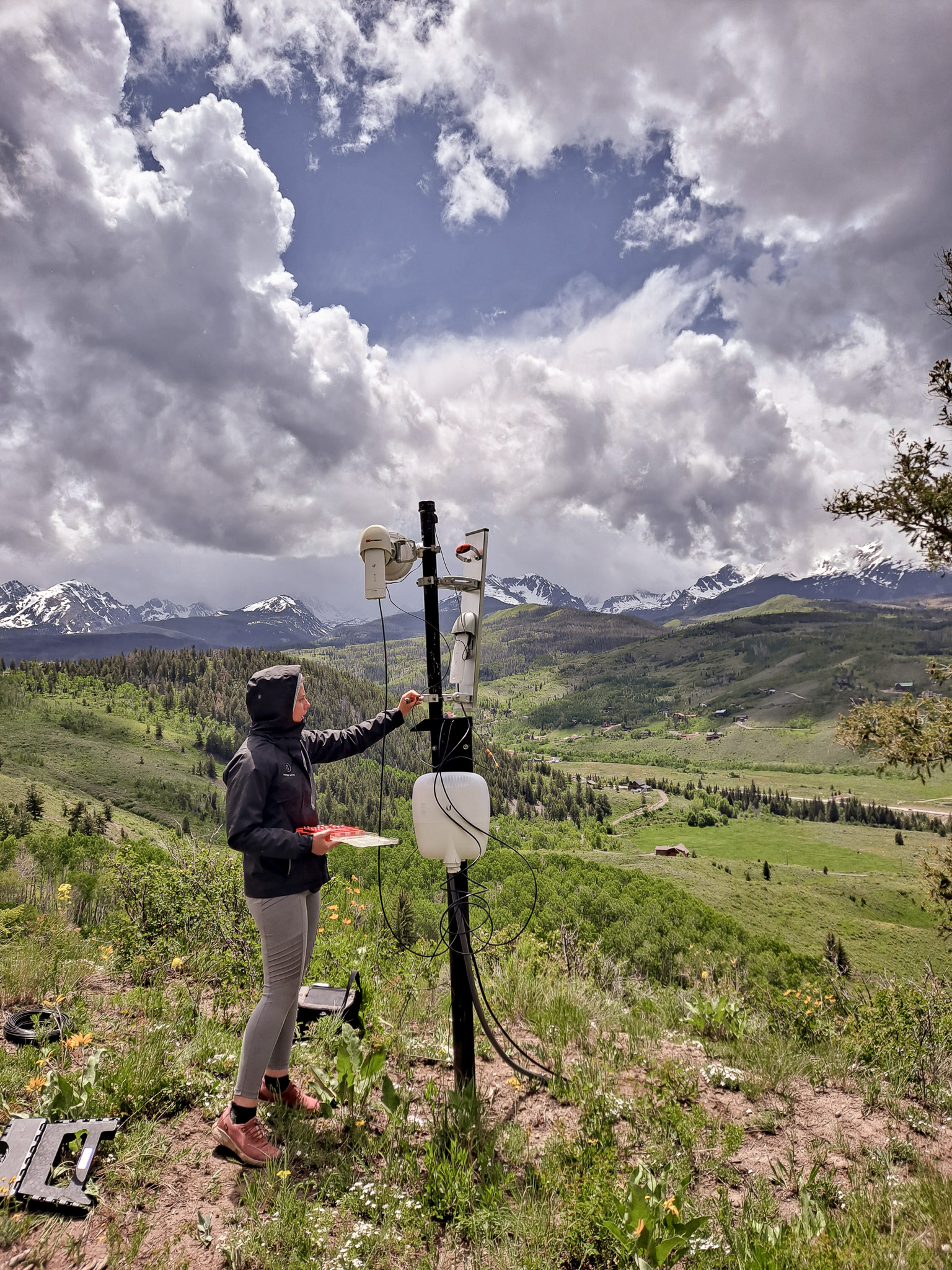
Then a pandemic shuts down the city you're in, freelancing dries up, and you have a few hundred dollars and a Wi-Fi connection.
Hannah started a publishing company.
Six Books That Went Nowhere.
Amazon KDP is print-on-demand. No inventory. No warehouse. No minimum order. If you're living out of a backpack with a few hundred dollars, it's one of the only business models that doesn't immediately disqualify you for being broke.
The creative work is what hooked her. Book cover design, interior layout, the puzzle of making a product visible in a grid of thumbnails where everyone's fighting for the same half-second of attention. She didn't know it yet, but that puzzle - what makes someone stop scrolling - was going to become the central question of her career.
She worked in Canva. No Illustrator. No formal design training. No particular grasp of copyright law. She published six books across categories: kids' educational, guided journals, coloring books, citizenship guides.
None of them sold. Not really. Not enough to matter.
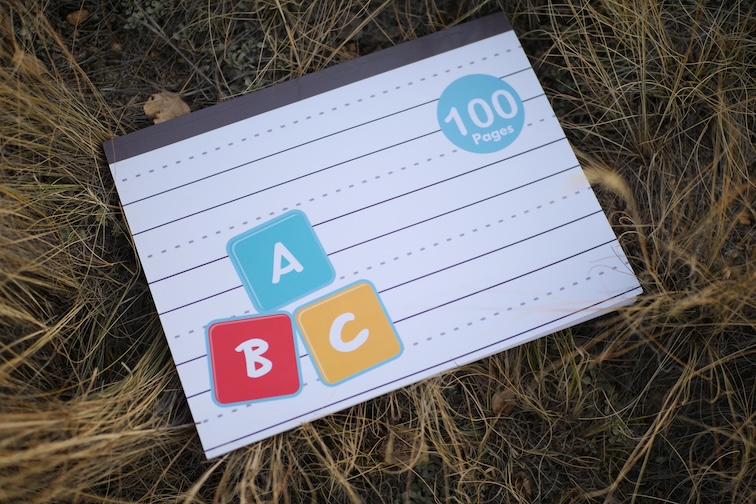
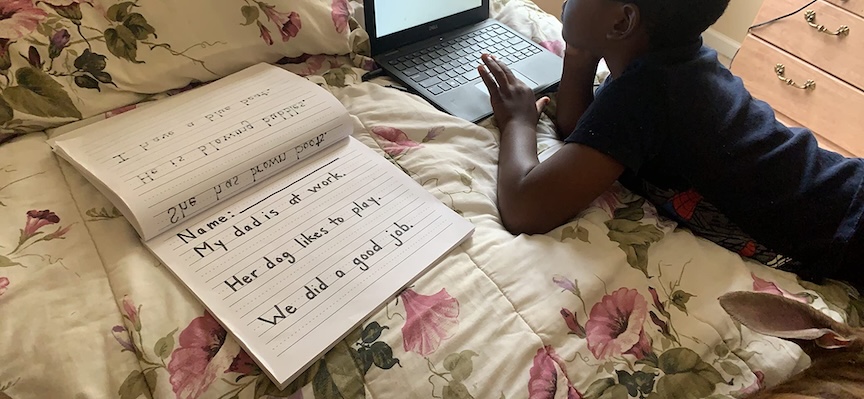
The seventh was a kindergarten handwriting practice book. And here's where it gets interesting.
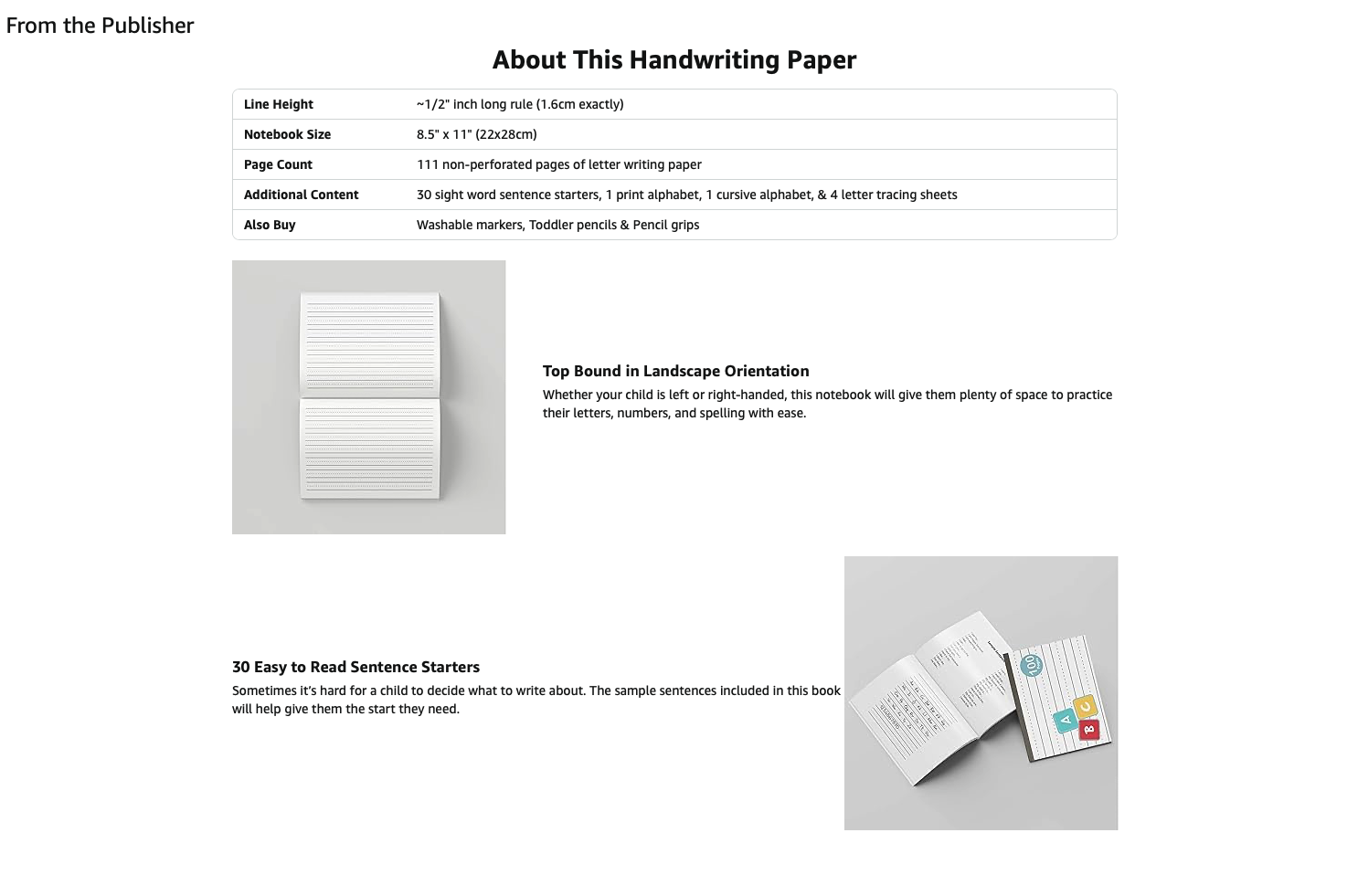
She made it landscape.
Hannah is left-handed. If you're left-handed, you've spent your whole life using products designed by and for people who aren't you. Scissors. Desks. Notebooks with spiral bindings that dig into your wrist. You develop a low-grade awareness of design failures that most people never think about.
She thought a landscape format might be easier for a five-year-old learning to form letters.
She had no data. No user testing. Just a hunch built on decades of mild daily frustration.
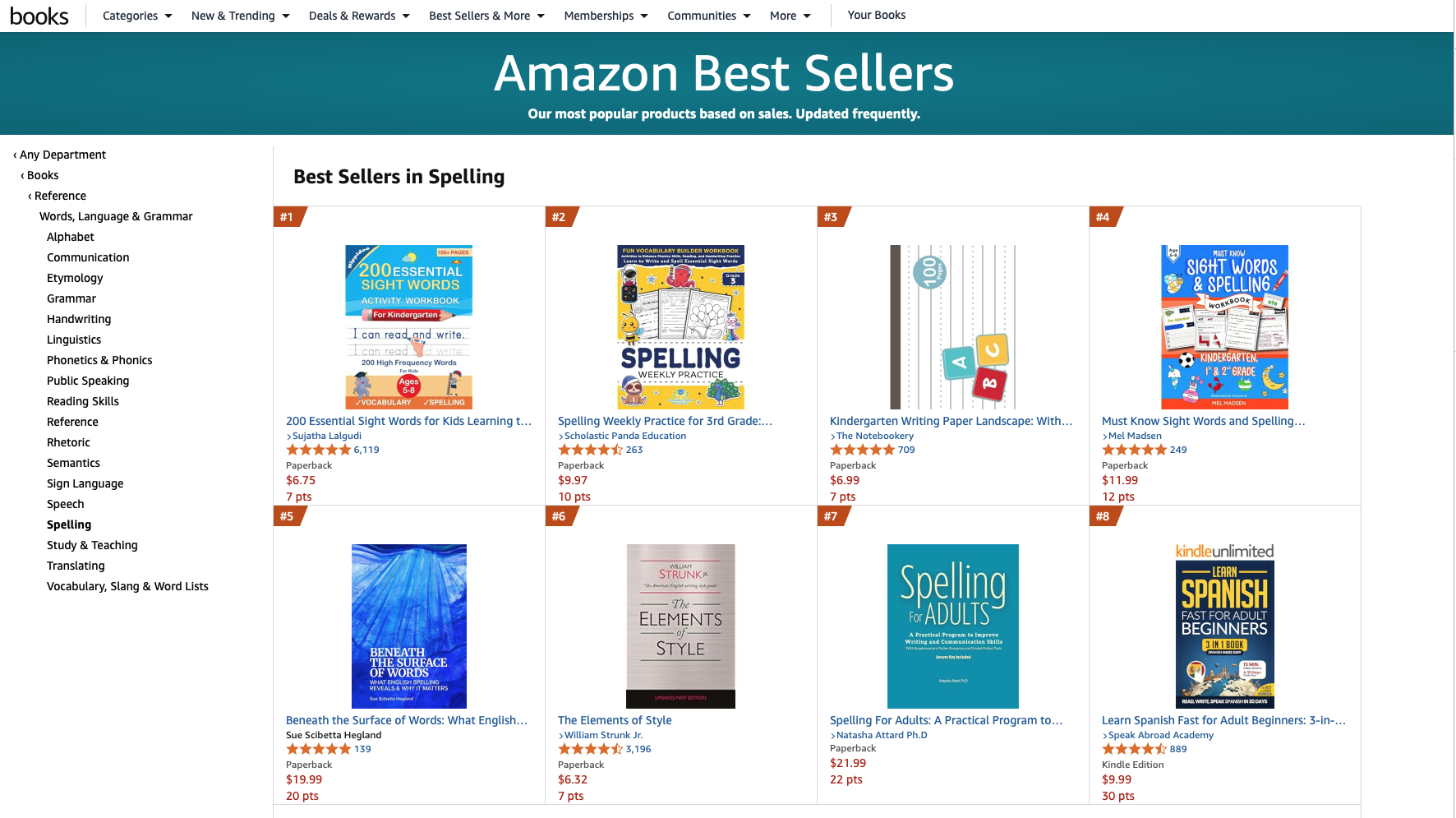
But the format did something she hadn't fully anticipated. In a search results page full of portrait-oriented covers, a landscape thumbnail breaks the visual pattern. Your eye catches it before you've read a single word. That half-second of wait, what's that one - that's the click.
First landscape kindergarten writing book on the platform. Within days: five to ten copies selling daily.
Nobody else had done it. Not because it was hard. Because nobody had thought to.
The insight wasn't "make it landscape." It was: the thing that earns the click happens before the customer reads anything.
Eight Reviews and a House of Cards.
Here's something you should know about kindergarten books: they sell in waves. January, parents prepping for spring semester. Late summer, back-to-school. Miss the window and you're waiting months for the next one.
Hannah had eight reviews. This is an important number. Remember it.
She was in Batumi, Georgia - the country, not the state - splitting a few hundred bucks a month between rent, food, and Amazon ad spend. The handwriting book was the only product in her entire catalog generating real income. Everything else was noise.
Then a customer left a one-star review.
Here's what one star does when you have eight reviews.
It restructures your entire average. The customer complained about line size - fair criticism, actually. Hannah hadn't repeated the specifications enough in the listing. But the algorithm doesn't know about fair. The algorithm saw a rating drop. And when the algorithm sees a rating drop, it pulls the product back in search results.
Sales went from ten copies a day to one or two.
The only product making money. Thousands of miles from home. A few hundred dollars.
She was scared. Not nervous. Not concerned. Scared. She'll tell you that straight.
Here's the thing about being that far from home with that little money and watching your only income source collapse: you either panic, or you look at the data. Hannah looked at the data.
The $900 push.
She already knew which ad campaigns were converting. She'd been watching them for weeks - strong clickthrough rates, solid close rates, healthy ACOS. The machine worked. She just couldn't afford to feed it.
Then some unexpected money came through - the United States COVID-19 stimulus check.
So she put $900 into the campaigns she'd already validated. The logic was specific: scale proven ads to drive sales volume. Volume generates reviews. Reviews bury the one-star. Do all of this before the semester buying window opens, and push into the top keyword positions simultaneously.
She raised the price. The window opened.
1,299 copies in a single month.
First time since leaving the United States that she wasn't living off savings.
Her Flagship Book Converted at 40x Industry Average.
After 1,299 copies in a month, the listing entered what you might call a flywheel - sales velocity pushes search rankings higher, higher rankings drive more traffic, more traffic drives more purchases, more purchases drive more reviews, and the whole thing compounds until the product becomes the default choice in its category.
The big companies noticed. Mead made a landscape version. School Smart made one. Companies with real supply chains and real design departments looked at her product and did the obvious thing.
The book still leads the category. In 2026.
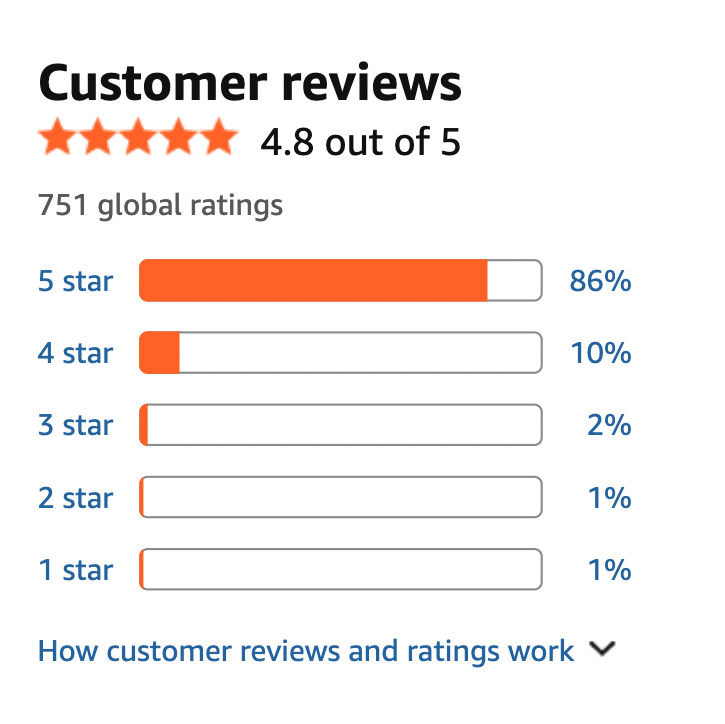
Multiple price increases. Multiple Amazon takedowns (the platform periodically pulls listings for review - routine, but destabilizing every time). 751 reviews at 4.8 stars. Years of accumulated algorithmic trust. And a 9.97% clickthrough rate on top keywords.
Industry average clickthrough rate on Amazon: 0.25%.
Read that again. 9.97% against 0.25% CTR. That's 4000% above the competition.
$291,331 in Revenue. One Person. 19 Countries.
She ran the same playbook across a growing catalog. Find the keyword gap. Mine the reviews for customer language. Build a thumbnail-optimized cover. Write the listing in the words customers actually use (not the words you'd use to describe your own product - there's a difference, and it matters). Manage ads at the individual product level.
She taught herself graphic design for covers. CMYK compliance for print accuracy (because what looks right on screen doesn't always print right, and she couldn't afford a negative review rand learn that lesson twice). Copyright law for asset usage (because she couldn't afford a lawyer either).
Hannah did the product development, graphic design, direct response copywriting, SEO, paid media, pricing, and customer experience. From whatever apartment or cafe she happened to be sitting in that month. Bucharest. Tbilisi. Zagreb. Cairo. It didn't matter where she was. The laptop was the office.
She'll also tell you she underestimated - badly - how much work even a simple product takes when you're the only person touching it. That stuck with her. She brings it into every team context now: a real respect for what each function requires, because she's been the one doing all of them simultaneously and knows exactly how much of each one she was getting wrong.
The Margins Were Thin. The Education Wasn't.
After Amazon's royalty cut, print costs, and advertising spend, net margins were low. The average titles barely broke even. She didn't fully understand the margin structure going in, and by the time she did, she'd already built the business around it.
What she'd change.
FBA over KDP. Validate margins before going deep on any product. Build an off-Amazon audience from day one so you're not completely dependent on a platform that can change the rules whenever it wants. A product with a $10 net margin compounds in a fundamentally different way than one with a $2 net margin. She learned to pressure-test whether a model can scale before investing serious time.
This book is why she wanted to understand attention. Not just on Amazon. Everywhere.
And what she discovered, eventually, was that her favorite part of the business had never been the ads. Never been the SEO. It was the branding. How color and copy and visual hierarchy either compound into something that earns attention - or they don't. There's not a lot of middle ground.
She asks different questions in cross-functional rooms than someone who's only ever worked in one lane. And she asks them with genuine respect, because she's done every role in the room and knows none of them are as straightforward as they look from the outside.
Six years as a generalist because she had to be. Specialist by temperament. She wants brand strategy and creative conversion inside a team with real depth in media, data, product, and engineering. She's ready to collaborate with people who are as deep in their domains as she wants to be in hers.
Where It Stands Now
Books still sell. Flagship still #1. Passive income still consistent six years later (modest, given Amazon's cut - but consistent). The system she built hasn't needed her in years.
That's the point.
She started this because she was broke and stubborn. She found a gap nobody was looking at, moved on instinct, learned every skill the business demanded - some of them well, some of them badly, all of them honestly - and built something that has outlasted companies with actual warehouses and actual employees and actual business plans.
What she took from it is simple. The mechanics of attention. What makes someone stop. What makes them click. What makes them come back.
That's the thing she wants to do now. At scale. With a team. On something bigger than books.